Zombie SVG, DXF, EPS, JPG, and PNG: A Comprehensive Overview
Zombie SVG, DXF, EPS, JPG, and PNG are file formats commonly used in graphic design and digital illustration. This collection of files is typically provided as a downloadable ZIP folder containing multiple versions of the same design in various formats. Each format serves different purposes and has its own strengths and limitations, making it essential to understand what each offers before deciding which one to use.
What Is Zombie SVG, DXF, EPS, JPG, and PNG?
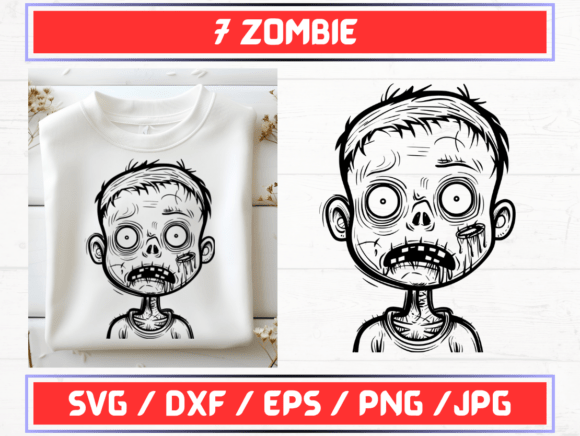
Zombie SVG refers to an image or graphic that is designed with a zombie theme, often incorporating elements like skulls, undead figures, or dark, eerie aesthetics. The term "Zombie" here is likely used to describe the visual style rather than any literal connection to the undead. The accompanying files include:
- SVG (Scalable Vector Graphics): Vector-based images that can be scaled without losing quality.
- DXF (Drawing Exchange Format): A file format used primarily for CAD (Computer-Aided Design) applications.
- EPS (Encapsulated PostScript): A vector graphics format that supports both vector and bitmap data.
- JPG (Joint Photographic Experts Group): A widely used raster image format that compresses images to reduce file size.
- PNG (Portable Network Graphics): A lossless image format that supports transparency and high-quality compression.
This product includes seven files in each of these formats, totaling 35 individual files. All files are provided at 300 dpi with transparent backgrounds, ensuring they are suitable for print and digital use.
Why Would Someone Be Interested In Zombie SVG, DXF, EPS, JPG, and PNG?
There are several reasons why someone might be interested in this collection of files. For designers, having access to multiple file formats allows for greater flexibility in how the design can be used across different platforms and applications. For example, SVG files are ideal for web use due to their scalability, while JPG and PNG files are better suited for print and online media.
Additionally, the inclusion of DXF and EPS files makes this product appealing to those working in CAD or engineering fields, where precise vector data is essential. The transparent background ensures compatibility with a wide range of design software and applications, from graphic design tools to 3D modeling programs.
Benefits and Tradeoffs
The primary benefit of having multiple file formats is the versatility they offer. Each format has its own advantages:
- SVG: Best for scalable, editable graphics that maintain quality at any size.
- DXF: Ideal for technical drawings and CAD projects.
- EPS: Suitable for high-quality print and vector-based work.
- JPG: Great for photographs and images where file size is a concern.
- PNG: Excellent for images requiring transparency and high-quality detail.
However, there are also tradeoffs. For instance, SVG files may not be suitable for complex photographs, while JPG files lose quality when compressed. Additionally, some file formats may require specific software to open or edit, which could limit accessibility for certain users.
Situations Where It May Be a Strong Fit
Zombie SVG, DXF, EPS, JPG, and PNG are particularly useful in scenarios where versatility and adaptability are key. These files are well-suited for:
- Graphic design projects that require high-quality, scalable images.
- Print and digital media where file compatibility and resolution are important.
- Technical illustrations that need precision and clarity, especially in CAD or engineering contexts.
- Web development where SVG files can be embedded directly into HTML code.
- Branding and marketing materials that require consistent, high-quality visuals across different platforms.
When Might Alternatives Be Worth Considering?
While this product offers a comprehensive set of file formats, there may be situations where alternatives are more appropriate. For example:
- If the project requires advanced animation or interactivity, vector-based formats like SVG may not be sufficient, and a different approach such as using a dedicated animation tool might be necessary.
- If the user is working with a platform that does not support certain file types, such as a website that only accepts JPEGs, then converting the files to the appropriate format may be required.
- If the design is highly detailed and requires pixel-level precision, a raster format like PNG may be more suitable than a vector format like SVG.
It's important to evaluate the specific needs of the project and choose the file formats that best align with those requirements.
Practical Decision-Making Insights
When deciding whether to use Zombie SVG, DXF, EPS, JPG, and PNG, consider the following factors:
- Intended Use: Determine whether the files will be used for print, web, or other purposes. This will influence which formats are most appropriate.
- Software Compatibility: Ensure that the chosen file formats are supported by the software you plan to use.
- Resolution and Quality: Choose formats that provide the necessary resolution and detail for your project.
- File Size and Performance: Consider the impact of file size on loading times and storage requirements, especially for web use.
- Transparency and Editability: If transparency is needed, opt for PNG or SVG. If the design needs to be edited later, vector formats like SVG or EPS are preferable.
By carefully evaluating these factors, users can make informed decisions about which file formats to use and how best to leverage them in their projects.