How to Use a Motorcycle SVG File in Your Design and Production Workflow
When working on design projects, especially those involving vector graphics, having access to high-quality digital assets is essential. A Motorcycle SVG File provides a scalable, editable format that integrates seamlessly into various creative tools and production processes. This article explores how to effectively use a motorcycle SVG file across different stages of your workflow, from initial planning to final output.
Understanding the Motorcycle SVG File
An SVG (Scalable Vector Graphics) file is an XML-based vector image format that allows for crisp, clear visuals at any size. A Motorcycle SVG File is specifically designed to represent a motorcycle in a scalable format, making it ideal for logos, illustrations, web graphics, and more. Unlike raster images, SVG files maintain quality when resized, which is particularly useful for responsive designs or print media.
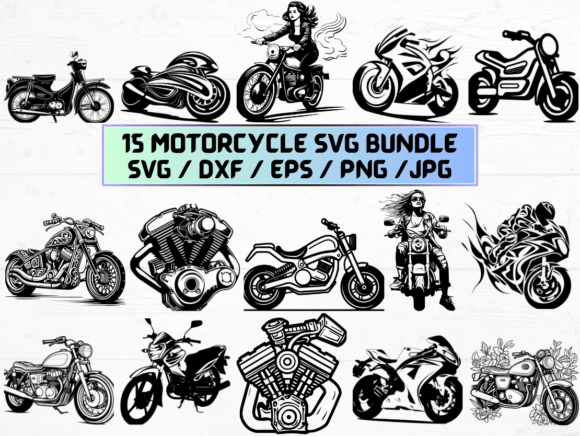
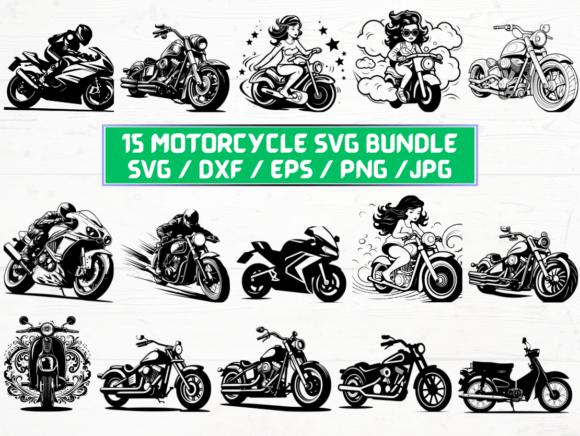
The package you receive includes 15 SVG files along with PNG, DXF, EPS, JPG, and other formats. This variety ensures compatibility with a wide range of software and platforms, whether you're using Adobe Illustrator, CorelDRAW, or even online design tools like Canva.
Integrating the Motorcycle SVG File into Your Workflow
Incorporating a motorcycle SVG file into your workflow can enhance efficiency and creativity. Here's how it fits into different phases of a project:
Pre-Production Planning
Before starting a design project, having a motorcycle SVG file can help visualize the concept. You can use the SVG as a base for sketches, mockups, or mood boards. Its scalability means you can quickly test different sizes and placements without losing clarity.
Additionally, the transparent background of the PNG files makes them perfect for overlaying onto different backgrounds during the planning phase. This flexibility helps in experimenting with color schemes, layouts, and compositions before moving to the actual design stage.
During the Design Process
Once you begin designing, the motorcycle SVG file becomes a core asset. In vector graphic software, you can easily edit the SVG to adjust colors, add details, or combine it with other elements. The DXF files are particularly useful if you're working on CNC cutting or laser engraving projects, allowing you to convert the design into machine-readable instructions.
The EPS files provide another layer of compatibility, especially for print production. They ensure that your design remains sharp and clean when printed at high resolutions. Meanwhile, the JPG and PNG files serve as quick previews or placeholders in web-based applications.
Post-Production and Final Output
After completing the design, the motorcycle SVG file continues to be valuable. For digital use, the PNG files with transparent backgrounds are ideal for websites, social media posts, or mobile apps. Their resolution (300 dpi) ensures that they look professional even when printed.
If you're preparing marketing materials or promotional content, the versatility of the SVG format allows you to reuse the motorcycle illustration across different mediums—whether it's a billboard, brochure, or email template—without worrying about quality degradation.
Practical Implementation Tips
To make the most of your motorcycle SVG file, consider the following tips:
- Organize your files: Keep all related files (SVG, PNG, DXF, etc.) in a single folder for easy access. Naming conventions can help identify each file’s purpose quickly.
- Check compatibility: Ensure that your design software supports SVG files. Most modern programs do, but it's worth verifying before importing.
- Use layers wisely: If the SVG contains multiple parts (e.g., handlebars, wheels), using layers can make editing more efficient.
- Optimize for web: When using PNG or JPG versions online, compress the files to reduce loading times without sacrificing quality.
- Test across devices: View your design on different screens and print it out to ensure that the motorcycle SVG maintains its integrity in all contexts.
Workflow Examples and Use Cases
The motorcycle SVG file can be integrated into various workflows depending on your needs:
Graphic Design Projects
Designers can use the SVG as a central element in branding projects, such as creating logos, icons, or illustrations. The transparency of the PNG files allows for seamless integration into backgrounds, while the vector format ensures scalability for both digital and print use.
Marketing and Advertising
Marketers can leverage the motorcycle SVG to create eye-catching ads, banners, or social media content. The high-resolution PNGs are suitable for high-quality print materials, while the SVG format is perfect for responsive web banners that adapt to different screen sizes.
Crafting and Manufacturing
For hobbyists and professionals involved in crafting or manufacturing, the DXF files can be used for laser cutting or CNC machining. This opens up possibilities for creating custom motorcycle models, signs, or decorative pieces.
Educational and Presentation Materials
Teachers and presenters can use the motorcycle SVG in educational content, such as diagrams, infographics, or presentation slides. The clarity of the SVG format ensures that the image remains sharp, even when projected on large screens.
Long-Term Use and Quality Control
One of the advantages of using a motorcycle SVG file is its longevity. Since it's a vector format, it won’t degrade over time like raster images. This makes it ideal for long-term projects or archival purposes.
To maintain consistency, store all versions of the file (SVG, PNG, DXF, etc.) in a centralized location. Regularly back them up to prevent data loss. Additionally, review the files periodically to ensure they align with current design standards and requirements.
When using the motorcycle SVG in collaborative projects, communicate clearly with team members about the file types and their intended uses. This helps avoid confusion and ensures that everyone is working with the correct assets.
Conclusion
A motorcycle SVG file is more than just a digital image—it's a versatile tool that enhances creativity and efficiency across various industries. Whether you're a designer, marketer, educator, or manufacturer, integrating this file into your workflow can streamline tasks, improve outcomes, and open up new opportunities for innovation.
By understanding its capabilities and implementing practical strategies, you can maximize the value of your motorcycle SVG file and ensure it serves your needs effectively throughout the project lifecycle.