Everything You Need to Know About Jesus Laser Cut Digital Files
Are you looking for a creative way to bring your ideas to life using laser cutting technology? If so, you might have come across the term "Jesus Laser Cut" or similar digital design files. In this article, we’ll explore what these digital files are, how they work, and why they’re becoming increasingly popular among artists, designers, and DIY enthusiasts.
What Are Jesus Laser Cut Digital Files?
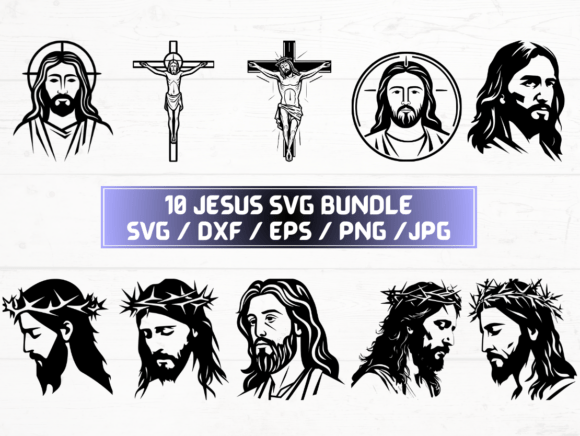
When you hear the phrase “Jesus Laser Cut,” it may initially sound confusing. However, in the context of digital design and laser cutting, it refers to a set of pre-designed vector graphics that can be used with laser cutters to create intricate shapes and patterns. These designs are often religious-themed, featuring images of Jesus Christ, crosses, or other Christian symbols.
The term “Jesus Laser Cut” is not a brand or product name but rather a descriptive label for a type of digital file that’s commonly used in laser cutting projects. These files are typically sold as downloadable packages containing various formats such as SVG, DXF, EPS, PNG, and JPG, which are all compatible with different types of software and laser cutting machines.
Understanding the File Formats
Before diving into the uses of these digital files, it’s important to understand the different file formats included in a typical “Jesus Laser Cut” package:
- SVG (Scalable Vector Graphics): A vector image format that allows for high-quality scaling without loss of resolution. Ideal for use in graphic design software.
- DXF (Drawing Exchange Format): A CAD data file format that is widely used in engineering and architectural applications. Perfect for laser cutting machines.
- EPS (Encapsulated PostScript): A vector file format that maintains quality at any size. Often used for print and illustration purposes.
- PNG (Portable Network Graphics): A raster image format that supports transparency. Useful for digital displays and web use.
- JPG (Joint Photographic Experts Group): A common image format that compresses images while maintaining good quality. Suitable for general use.
Each of these formats has its own strengths and is suited for different applications. Whether you're designing for a laser cutter, printing on fabric, or creating digital art, there's a file format that will meet your needs.
Why Choose Jesus Laser Cut Digital Files?
There are several reasons why people choose to use “Jesus Laser Cut” digital files for their projects. Here are some of the main benefits:
1. Versatility in Design
These digital files offer a wide range of design possibilities. From simple cross shapes to more complex religious imagery, there’s something for everyone. Whether you're making a decorative wall hanging, a personalized gift, or a church decoration, the right design can make all the difference.
2. Ease of Use
One of the biggest advantages of using digital files is that they are easy to use. Once you’ve downloaded the files, you can open them in your preferred design software, make any necessary adjustments, and send them directly to your laser cutter. This eliminates the need for manual drawing or tracing, saving you time and effort.
3. Cost-Effective
Compared to hiring a professional designer or purchasing pre-made items, using digital files can be much more cost-effective. You can download the files for a fraction of the price and customize them to fit your specific needs. This makes it an excellent option for individuals and small businesses alike.
4. High-Quality Output
Because these files are designed specifically for laser cutting, they ensure that your final product looks sharp and clean. The high-resolution images and precise vector paths guarantee that every detail is captured accurately, resulting in a professional finish.
How to Use Jesus Laser Cut Digital Files
If you're new to laser cutting, it might seem intimidating at first. However, with the right tools and a bit of practice, you can easily create stunning pieces using these digital files. Here's a step-by-step guide to help you get started:
Step 1: Download the Files
Once you've purchased the digital files, you'll receive a ZIP folder containing all the necessary files. Make sure to extract the contents of the folder before proceeding.
Step 2: Choose the Right Software
Select a design software that supports the file formats included in the package. Popular options include Adobe Illustrator, CorelDRAW, and Inkscape. These programs allow you to edit the designs and prepare them for laser cutting.
Step 3: Prepare the Design
Open the design file in your chosen software and make any necessary adjustments. You can resize the image, change colors, or add text to personalize it. Be sure to check that the design is properly aligned and that all elements are grouped correctly.
Step 4: Send to Laser Cutter
Once you're satisfied with the design, export it in the appropriate format (usually DXF or SVG) and send it to your laser cutter. Follow the manufacturer's instructions to ensure that the settings are correct for your material and machine.
Step 5: Laser Cut and Finish
After the laser cutter has completed the job, carefully remove the finished piece from the material. Depending on the type of material you used, you may need to sand or polish the edges for a smoother finish.
Common Uses for Jesus Laser Cut Digital Files
The versatility of these digital files makes them suitable for a wide range of applications. Here are some common uses:
- Religious Decorations: Create beautiful wall art, stained glass windows, or altar decorations for churches or homes.
- Personalized Gifts: Make unique gifts such as custom crosses, engraved plaques, or framed artwork.
- Home Decor: Use the designs to create decorative items like coasters, keychains, or wooden signs.
- Educational Projects: Incorporate these designs into school projects or workshops to teach students about laser cutting and design.
- Business Applications: Use the files to create branded merchandise, promotional items, or signage for religious organizations.
Addressing Common Misconceptions
Despite their popularity, there are still some misconceptions about “Jesus Laser Cut” digital files. Let's address a few of them:
Misconception 1: These Files Are Only for Religious Purposes
While many of the designs featured in these files are religious in nature, they are not limited to that use. With some creativity, you can repurpose the designs for secular projects as well. For example, a cross design could be used as a stylish piece of wall art or even as a jewelry pendant.
Misconception 2: You Need Advanced Skills to Use These Files
Although having experience with design software can be helpful, it’s not required to use these files. Many beginners find that they can quickly learn the basics of editing and preparing designs for laser cutting with just a little practice.
Misconception 3: These Files Are Only for Professional Artists
This couldn’t be further from the truth. Anyone with an interest in crafting, design, or technology can benefit from using these digital files. They are a great way to explore your creativity and experiment with new techniques.
Conclusion
“Jesus Laser Cut” digital files offer a unique and versatile way to bring your creative visions to life. Whether you're an artist, hobbyist, or business owner, these files provide endless opportunities for customization and innovation. By understanding the different file formats, learning how to use them effectively, and exploring their various applications, you can unlock a world of possibilities.
As technology continues to evolve, the use of digital files in laser cutting is becoming more accessible than ever before. So why not give it a try? With a little practice and imagination, you can create stunning pieces that reflect your personal style and creativity.